

If you are considering replacing a missing tooth, one of the first questions you may ask is, “How long do dental implants last?” It is a smart and important question. Dental implants are an investment in your health, comfort, and confidence. At Springs Dental in Murrieta, CA, patients often want to know whether implants are a temporary solution or something they can rely on for decades.
The good news is that dental implants are designed to be a long term solution. With proper placement and good oral care, they can last many years and, in many cases, a lifetime. Understanding what affects their longevity can help you protect your investment and enjoy a healthy, confident smile for years to come.
How Long Do Dental Implants Last on Average?
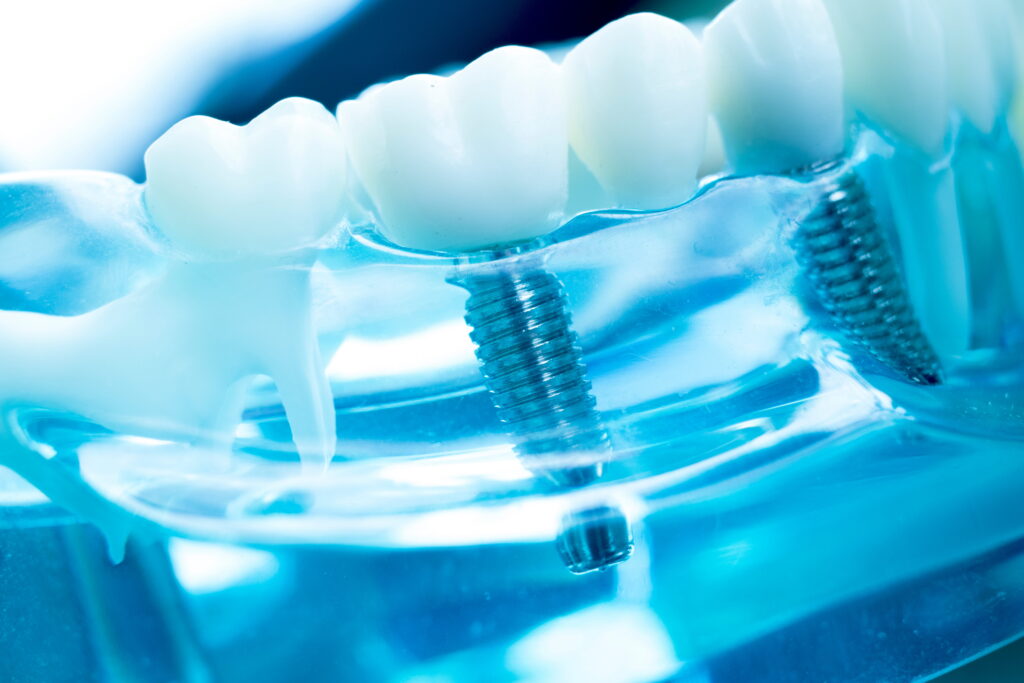
When we talk about longevity, it helps to understand that a dental implant has two main components. The first is the titanium implant post that is placed into the jawbone. The second is the visible restoration, such as a crown, bridge, or denture, that attaches to the implant.
The titanium implant itself can last 20 years or more. In fact, many patients keep their implant posts for life. Titanium is biocompatible, which means it fuses with the bone in a process called osseointegration. Once this bond is established, the implant becomes a stable and durable foundation for replacement teeth.
The crown or restoration attached to the implant may not last quite as long as the implant post. On average, implant crowns can last 10 to 15 years before needing replacement due to normal wear and tear. In some cases, they last much longer. Replacing a worn crown is typically straightforward and does not mean the implant itself has failed.
So when asking, “How Long Do Dental Implants Last on Average?” the most accurate answer is that the implant post often lasts decades, while the attached restoration may need maintenance or replacement over time.
What Affects the Lifespan of Dental Implants?
Several factors influence how long your dental implants will last. While implants have a high success rate, their longevity depends on both clinical and personal factors.
Oral hygiene plays a major role. Just because an implant is made of titanium does not mean it is immune to problems. The surrounding gum tissue and bone must remain healthy. Poor brushing and flossing habits can lead to peri implantitis, a condition similar to gum disease that affects the tissues around an implant. If left untreated, it can compromise the stability of the implant.
Your overall health is another important factor. Conditions such as uncontrolled diabetes can affect healing and increase the risk of infection. Smoking is also a significant risk factor. It reduces blood flow to the gums and bone, which can interfere with healing and long term stability.
Bone quality and quantity matter as well. Dental implants rely on strong jawbone support. If there is insufficient bone at the time of placement, a bone graft may be recommended. In Murrieta and the surrounding communities, many patients come to Springs Dental after years of missing teeth. Bone grafting procedures can often rebuild the necessary foundation for successful implant placement.
Bite forces and habits can also impact implant longevity. Patients who grind or clench their teeth may put excessive stress on implants. In these cases, a custom night guard can help protect both natural teeth and implant restorations.
Finally, the experience of the dental team and the quality of materials used play a key role. Proper planning, precise placement, and well designed restorations significantly improve long term outcomes.
How to Make Dental Implants Last Longer
The great news is that there is a lot you can do to extend the life of your dental implants. In fact, many of the habits that protect your natural teeth also protect your implants.
Brush at least twice daily using a soft bristled toothbrush and fluoride toothpaste. Be sure to clean around the implant crown and along the gumline. Floss daily to remove plaque between teeth and around the implant. Some patients benefit from using special floss, interdental brushes, or water flossers to clean hard to reach areas.
Routine dental visits are essential. At Springs Dental in Murrieta, CA, regular checkups allow us to monitor your implants and ensure the surrounding tissues remain healthy. Professional cleanings help remove buildup that you may not be able to eliminate at home.
If you smoke, quitting can significantly improve your oral and overall health. Smoking increases the risk of implant complications and can shorten their lifespan. Reducing or eliminating tobacco use is one of the most impactful steps you can take.
Wearing a night guard if you grind your teeth can prevent excessive stress on the implant and its restoration. Protecting your bite helps prevent fractures, loosening, or premature wear.
It is also important to address any signs of gum inflammation promptly. Bleeding gums, swelling, or discomfort around an implant should not be ignored. Early intervention can prevent more serious problems down the road.
By understanding How to Make Dental Implants Last Longer, you take an active role in preserving your smile and maximizing your investment.
How Do I Know If My Dental Implant Is Failing?
Dental implant failure is not common, but it can happen. Knowing the warning signs can help you seek treatment early and protect your oral health.
One of the most common signs of trouble is persistent pain or discomfort around the implant site. While some mild soreness is normal after placement, ongoing or worsening pain is not. Swelling, redness, or bleeding around the implant may indicate infection or inflammation.
Mobility is another red flag. A properly integrated implant should feel as stable as a natural tooth. If you notice that your implant crown feels loose or shifts when you chew, contact your dentist right away. In some cases, the crown or abutment may be loose rather than the implant itself, which is often easier to correct.
Receding gums around the implant can also be a sign of peri implantitis. You may notice that more of the metal component is visible. Bad taste or persistent bad breath can also signal infection.
Some implant failures occur early, shortly after placement, often due to poor integration with the bone. Others occur years later, typically related to infection, excessive bite forces, or systemic health issues.
If you are wondering, “How Do I Know If My Dental Implant Is Failing?” the key is to pay attention to changes in comfort, stability, and gum health. Prompt evaluation at Springs Dental can often address issues before they become more serious.
How Is a Failed Dental Implant Treated?
The approach to treatment depends on the cause and severity of the problem. In some cases, the issue is minor and easily corrected. For example, if the implant crown is loose, tightening or replacing the restoration may resolve the issue without affecting the implant post.
If there is inflammation or early peri implantitis, non surgical treatments such as deep cleaning around the implant and antimicrobial therapy may help control the infection. Improved home care and more frequent maintenance visits can stabilize the condition.
In more advanced cases where the implant has lost significant bone support, removal may be necessary. While this may sound concerning, it does not mean you are out of options. After removing the implant and allowing the area to heal, a bone graft can often rebuild the site. Once healing is complete, a new implant can sometimes be placed successfully.
Understanding How Is a Failed Dental Implant Treated? can provide peace of mind. Modern dentistry offers multiple solutions, and early intervention significantly improves the likelihood of a positive outcome.
The Long Term Value of Dental Implants in Murrieta, CA
For patients in Murrieta and nearby communities, dental implants offer more than just a cosmetic solution. They help preserve jawbone structure, maintain facial contours, and restore proper chewing function. Unlike traditional bridges, implants do not require altering adjacent teeth. Compared to removable dentures, they provide superior stability and comfort.
Because implants integrate with the jawbone, they also help prevent bone loss that naturally occurs after a tooth is lost. This makes them one of the most biologically sound options for tooth replacement.
When placed and maintained properly, dental implants can provide decades of reliable function. Many patients find that they quickly forget which tooth was replaced because the implant feels so natural.
Choosing Springs Dental in Murrieta, CA for implant care means working with a team that prioritizes comprehensive planning, patient education, and long term follow up. From the initial consultation to restoration and maintenance, every step is designed to promote lasting success.
Dental implants are not just about restoring teeth. They are about restoring comfort, confidence, and quality of life. With proper care and professional guidance, they can serve you well for many years to come.