

For many people, hearing the words “oral surgery” immediately creates anxiety. It is easy to picture a complicated procedure, significant discomfort, or a difficult recovery. In reality, modern dentistry has made oral surgery far more comfortable, predictable, and patient friendly than most people expect. At Springs Dental, patients are often surprised by how smooth the process feels from start to finish.
Whether you need a tooth extraction, dental implant placement, bone grafting, or another procedure, understanding what to expect can make a huge difference in your comfort level. Oral surgery is not about creating stress or fear. It is about solving problems, protecting your health, relieving pain, and helping you move forward with confidence.
If you have been told you may need Oral Surgery in Murrieta, CA, this guide will help you understand why these procedures are recommended, what the experience is really like, and how to heal comfortably afterward.
Why Oral Surgery Is Recommended In The First Place
Most dentists do not recommend surgery unless it truly benefits your long term oral health. Oral surgery is usually advised when there is a problem that cannot be solved with more conservative treatment alone.
In many cases, oral surgery helps prevent bigger complications later. For example, an infected tooth that cannot be restored may continue damaging surrounding bone and tissue if left untreated. Impacted wisdom teeth may place pressure on nearby teeth or increase the risk of infection. Severe bone loss may make it difficult to support healthy teeth or future dental implants.
Some patients also require oral surgery for restorative purposes. Dental implants often involve surgical placement into the jawbone to create a stable foundation for replacement teeth. Bone grafting procedures may help rebuild lost bone structure after years of tooth loss or gum disease.
Another important reason for oral surgery is comfort and quality of life. Chronic dental pain, recurring swelling, damaged teeth, or difficulty chewing can affect everything from nutrition to sleep to confidence. Surgery can eliminate the underlying issue instead of simply managing symptoms temporarily.
For many patients, oral surgery becomes the turning point that restores both oral health and peace of mind.
Common Types Of Oral Surgery
There are several different types of oral surgery procedures commonly performed in modern dental offices. Each serves a unique purpose, but all are designed to improve health, function, and comfort.
Tooth extractions are among the most common procedures. Teeth may need to be removed because of severe decay, fractures, infection, crowding, or advanced gum disease. Wisdom tooth removal is another routine procedure, especially when the teeth are impacted or growing improperly.
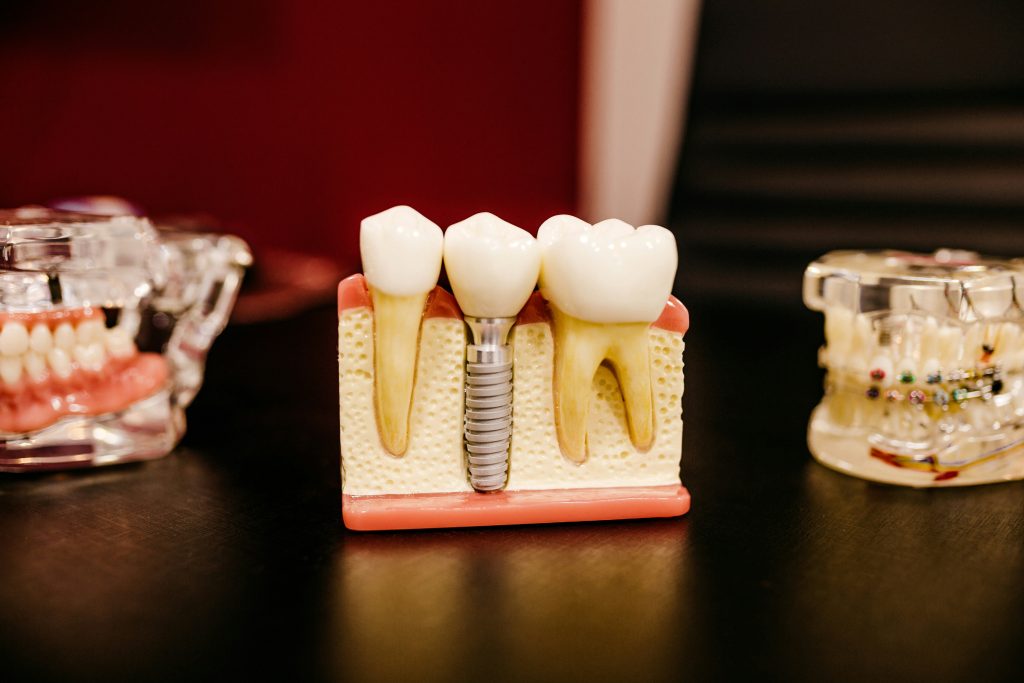
Dental implant surgery is increasingly popular because implants provide one of the most natural and durable tooth replacement options available today. During this procedure, a titanium implant is placed into the jawbone where it integrates with the surrounding bone over time.
Bone grafting is another common surgical treatment. This procedure helps restore lost jawbone structure and is often used before implant placement. Bone grafting can strengthen areas weakened by gum disease, injury, or long term tooth loss.
Some patients may also require gum related surgical procedures to improve oral health or support restorative treatment. In other cases, oral surgery may involve removing cysts, treating infections, or preparing the mouth for dentures or other restorations.
While the word “surgery” sounds intimidating, many of these procedures are completed comfortably in a dental office setting with local anesthesia and modern technology.
What An Oral Surgery Visit Typically Feels Like
One of the biggest misconceptions about oral surgery is that it will be painful or overwhelming. In reality, most patients report that the anticipation is far worse than the actual appointment.
At the beginning of your visit, your dental team will review the procedure and make sure you feel comfortable asking questions. The area being treated will be thoroughly numbed with local anesthesia so you do not feel pain during the procedure itself. Depending on the type of treatment and your comfort level, sedation options may also be available to help you relax.
Once numb, most patients feel pressure or movement during treatment rather than sharp pain. Procedures are often quicker than people expect, especially when performed by an experienced team using modern techniques.
For example, many wisdom tooth extractions or dental implant placements can be completed efficiently with surprisingly minimal discomfort. Patients are often able to go home shortly afterward and rest comfortably the same day.
After surgery, it is normal to experience some soreness, swelling, or mild bleeding for a short period. However, most discomfort is manageable with prescribed or recommended medications, ice packs, and proper aftercare instructions.
Patients frequently describe the experience afterward by saying something like, “That was not nearly as bad as I expected.”
The Benefits Of Oral Surgery
The Benefits Of Oral Surgery often go far beyond simply treating one problem tooth or infection. These procedures can dramatically improve your oral health, comfort, appearance, and long term quality of life.
One major benefit is pain relief. Chronic infections, damaged teeth, and impacted wisdom teeth can create persistent discomfort that affects everyday life. Removing the source of the problem often provides immediate relief.
Oral surgery can also help preserve surrounding teeth and bone structure. Treating infections early prevents them from spreading and causing more extensive damage later. Procedures like bone grafting and implant placement help maintain healthy jawbone support and facial structure over time.
Another important advantage is improved function. Patients who struggle with chewing, speaking, or wearing dentures comfortably often experience significant improvements after surgical treatment and restoration.
Confidence is another factor that should not be overlooked. Missing or severely damaged teeth can affect self esteem and social comfort. Dental implants and other surgical treatments can help patients smile, eat, and speak with greater confidence again.
Many patients also appreciate the long term preventive benefits. Addressing oral health issues early often reduces the risk of more complicated and expensive treatment in the future.
When viewed this way, oral surgery is less about “having surgery” and more about removing obstacles that are interfering with your health and daily life.
Recovery Tips: How To Heal Smoothly After Oral Surgery
Recovery Tips: How To Heal Smoothly After Oral Surgery are often simpler than patients expect, but following instructions carefully can make a major difference in comfort and healing speed.
The first 24 to 48 hours are usually the most important part of recovery. During this period, rest is essential. Patients should avoid strenuous activity, heavy lifting, or anything that could increase bleeding or swelling.
Ice packs applied to the outside of the face can help reduce swelling and improve comfort. Most offices recommend using ice intermittently during the first day after surgery.
Eating soft foods is also important while the area heals. Foods like yogurt, soup, mashed potatoes, smoothies, scrambled eggs, and pasta are typically easier to tolerate during the early recovery period. Staying hydrated is important as well, although patients should avoid drinking through straws because suction can interfere with clot formation.
Good oral hygiene remains important after surgery, but patients must be gentle around the surgical site. Your dentist will provide instructions regarding rinsing, brushing, and keeping the area clean without disturbing healing tissue.
Taking medications exactly as directed also supports a smoother recovery. Many patients find that staying ahead of discomfort with prescribed medication or over the counter pain relievers works far better than waiting until soreness becomes severe.
Perhaps most importantly, patients should remember that healing is a process. Mild swelling, bruising, or tenderness can be normal for several days depending on the procedure performed.
Most people are pleasantly surprised by how manageable recovery feels when they follow proper instructions carefully.
When To Call The Dental Office After Oral Surgery
While most recoveries progress normally, patients should understand When To Call The Dental Office After Oral Surgery so they know what deserves attention.
Some swelling, mild bleeding, and soreness are expected. However, certain symptoms should be evaluated promptly.
For example, severe pain that worsens instead of improving may indicate a complication such as dry socket after an extraction. Persistent heavy bleeding that does not slow down should also be reported.
Signs of infection may include fever, increasing swelling several days after surgery, foul taste or odor, or pus near the surgical site. Difficulty swallowing or breathing should always be treated as urgent.
Patients should also contact the office if they are unsure whether something is normal. A good dental team would always rather answer questions early than have a patient worry unnecessarily at home.
Communication is part of quality care. At Springs Dental, helping patients feel supported during recovery is just as important as the procedure itself.
A Patient-Friendly Way To Think About Oral Surgery
A Patient-Friendly Way To Think About Oral Surgery is to stop viewing it as something dramatic or frightening. Instead, think of it as a carefully planned solution to a problem that is interfering with your health, comfort, or confidence.
Modern dentistry focuses heavily on patient comfort. Techniques, imaging technology, anesthesia methods, and recovery protocols have improved tremendously over the years. Many procedures that once required hospital visits are now performed comfortably in dental offices with far less downtime than people expect.
It also helps to remember that untreated dental problems rarely improve on their own. Delaying care often allows infections, damage, or bone loss to become more serious over time. Addressing the issue now may actually save you discomfort, expense, and stress later.
For many patients, oral surgery ultimately brings relief. Relief from pain. Relief from uncertainty. Relief from the frustration of living with a dental problem that keeps getting worse.
The key is choosing a compassionate dental team that explains the process clearly and prioritizes your comfort throughout treatment.
Oral Surgery in Murrieta, CA
If you are considering Oral Surgery in Murrieta, CA, the team at Springs Dental is committed to making the experience as smooth and comfortable as possible. Whether you need a tooth extraction, dental implant, wisdom tooth removal, or another procedure, patient education and gentle care are always priorities.
Many patients feel nervous before their first consultation, but understanding the process often changes everything. With the right guidance, modern oral surgery can feel far more manageable than expected.
If you have questions about treatment options or recovery expectations, scheduling a consultation with a trusted Murrieta Dentist is the best place to start.