

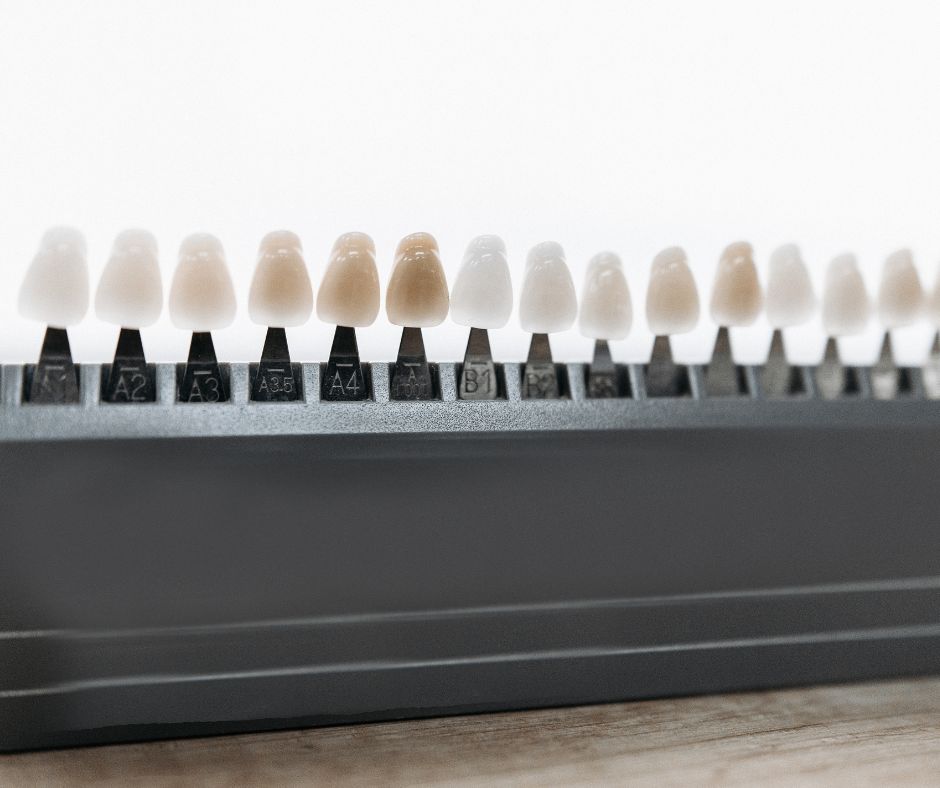
You have been looking at that chipped tooth or coffee-stained smile for a while now. You already know veneers can fix it. The real thing holding you back is the price tag. That is a fair concern, and it deserves a clear answer.
Porcelain veneers cost $900 to $2,500 per tooth in 2026. A set of six to eight teeth runs $6,000 to $20,000 total. The price depends on the porcelain type, how many teeth you treat, and your dentist’s skill with cosmetic work. At Springs Dental in Murrieta, Dr. Daniel B. Pulsipher, DDS, earned his degree at Loma Linda University School of Dentistry and trained in cosmetic dentistry. He gives written quotes that cover every step, so you know the full cost before any work starts.
This guide breaks down the real numbers, what drives the price up or down, what insurance covers, and how long your veneers will last.
What this costs, in short
- Porcelain veneers run $900 to $2,500 per tooth in the U.S. in 2026, and most patients pay $1,200 to $1,800 per tooth.
- A set of six to eight teeth totals $6,000 to $20,000.
- Most dental plans call veneers cosmetic and do not cover them.
- A review in the International Journal of Prosthodontics found porcelain veneers hold a 95 percent survival rate at 10 years, which breaks down to roughly $100 to $150 per year per tooth.
- Springs Dental in Murrieta gives written quotes with no hidden costs and stays open until 6 PM on weekdays for after-work visits.
How Much Do Porcelain Veneers Cost Per Tooth?
Porcelain veneers cost $900 to $2,500 per tooth across the U.S. in 2026. Most patients land in the $1,200 to $1,800 range. In California, prices tend to sit in the upper half because lab fees, rent, and staff costs run higher than the national average.
That per-tooth price covers the consult, tooth prep, molds or digital scans, lab work, and the final bonding visit. Some offices quote a lower number that leaves out temp veneers or prep work, so always ask if the price includes every step.
Composite veneers cost less up front, from $250 to $1,500 per tooth. But composite wears faster and stains more easily than porcelain. You will likely replace them every five to seven years. Over a 15-year span, two to three rounds of composite can match or beat the cost of one set of porcelain.
The quality of the dental lab also shifts the number. A high-end lab that hand-crafts each shell to match your natural shade charges more than a volume lab. Ask your dentist which lab they use and how long the lab has worked with porcelain veneers.
What Does a Full Set of Veneers Cost?
Most people pick six to eight veneers to cover the teeth that show when they smile. At the per-tooth range above, six porcelain veneers run $5,400 to $15,000 total. Eight veneers cost $7,200 to $20,000. Your smile line width and the number of teeth that need work set the final count.
Here is how porcelain and composite compare side by side.
| Feature | Porcelain | Composite |
| Cost per tooth | $900 to $2,500 | $250 to $1,500 |
| Full set, 8 teeth | $7,200 to $20,000 | $2,000 to $12,000 |
| Typical lifespan | 10 to 15 years | 5 to 7 years |
| Stain resistance | High | Moderate |
| Replacements in 20 years | 1 to 2 | 3 to 4 |
The lower price tag on composite looks good at first. But when you factor in three or four replacement cycles over 20 years, the total often equals or passes what one set of porcelain costs.
Each replacement round also means more chair time, more time off work, and more bonding to the same tooth surface. Over two decades, porcelain’s higher upfront cost often turns out to be the more practical choice for patients who want a result that holds.
Five Factors That Move the Price Up or Down
The wide price range exists because no two veneer cases are the same. Five things create most of the spread you see between quotes.
The porcelain type matters. Lab technicians build feldspathic porcelain by hand, one layer at a time. It looks very lifelike but takes more lab hours. Pressed options like lithium disilicate offer a good mix of strength and looks at a lower lab cost.
The number of teeth you treat affects the total. Two veneers for chipped front teeth cost far less than a full set of ten. More teeth means more lab fees and more chair time.
Your dentist’s cosmetic training plays a role. Shade matching, gum line shaping, and bonding skill take years to refine. Dentists with deep cosmetic focus often charge more because the final result depends on those hands-on skills.
Where you live shifts the baseline. A California office typically charges more than one in a lower-cost state because rent, lab fees, and wages all run higher. Even within California, prices differ between rural and metro areas.
Prep work can add to the bill. Some patients need gum shaping, whitening on the other teeth, or decay treatment before veneers can go on. Your dentist bills these steps as separate line items on your quote.
Does Insurance Cover Porcelain Veneers?
Most dental plans do not cover porcelain veneers. Insurers group them with cosmetic work, and cosmetic care falls outside the scope of most policies. This is the single biggest sticker shock for patients who expect their plan to help.
Some narrow cases qualify for partial help. If your dentist records that veneers restore function after trauma, severe enamel loss, or structural damage, some carriers will review the claim under their major care benefit. That coverage is partial, not full, and it varies by plan. The code to ask your insurer about is D2962 for porcelain laminate veneers.
When insurance does not apply, other paths exist. Third-party lenders offer monthly plans that spread the cost over 12 to 60 months. Some offices set up in-house payment plans. A health savings account or flexible spending account can also trim the after-tax cost if your employer offers one.
One step saves a lot of guesswork. Ask your dental office to send a pre-treatment estimate to your carrier before you schedule. The reply tells you exactly what, if anything, your plan pays.
What Happens When You Wait?
Putting off veneers does not freeze things in place. Chips and cracks pick up stains over time and can deepen into fractures that need a full crown. A crown removes far more tooth structure than a veneer does and costs just as much or more.
Teeth that are ground down keep losing enamel month by month. The more enamel you lose, the less bonding surface your dentist has to work with. Some patients who wait too long end up needing added prep or a different fix, which raises both the cost and the time in the chair.
Deep staining gets worse, too. Whitening only reaches surface-level color. Once staining sinks below the enamel, a veneer or bonding is the only way to fix it. Dealing with the issue while your tooth is still strong keeps your choices open and the treatment simpler.
The bottom line on timing: early treatment usually means less prep, more enamel to bond to, and a lower total bill. Waiting rarely saves money and can make the job harder.
How Long Do Porcelain Veneers Last?
Porcelain veneers last 10 to 15 years for most patients, and many go well past that mark with good care. A review in the International Journal of Prosthodontics looked at over 6,500 porcelain veneers and found a 95.5 percent survival rate at 10 years. A 21-year study by Layton and Walton in the same field found a 96 percent survival rate for veneers bonded to well-prepared enamel.
Those numbers make veneers one of the most lasting cosmetic dental options. When you spread the cost over 10 to 15 years of daily use, a $1,500 veneer works out to about $100 to $150 per year. Many people spend more than that on whitening strips and trays over the same span.
Three habits protect your veneers. Brush twice a day with a gentle toothpaste. Wear a nightguard if you clench or grind at night. Skip using your front teeth to tear open bags or bite hard foods. Regular dental visits catch small issues like edge wear before they turn into a full replacement.
Porcelain Veneers in Murrieta, CA: Getting a Written Quote at Springs Dental
If you live in Murrieta, Temecula, or the wider Riverside County area, a consult is the fastest way to get a number that fits your teeth. Price ranges you find online help with research, but your real cost depends on your case.
At Springs Dental, Dr. Daniel B. Pulsipher, DDS, uses digital scans and 3D imaging to map out veneer cases before any prep begins. That digital workflow helps match shade and fit with fewer adjustments at the bonding stage.
The office also offers sedation options for patients who feel nervous about dental work. Nitrous oxide and oral sedation are both available, so anxiety does not have to be the reason you put this off.
The office stays open until 6 PM Monday through Thursday, so you do not have to skip out of work early for a visit. Call Springs Dental at (951) 461-2310 or book online to get a written quote that covers every step, from prep through final bonding, with no surprise fees.