

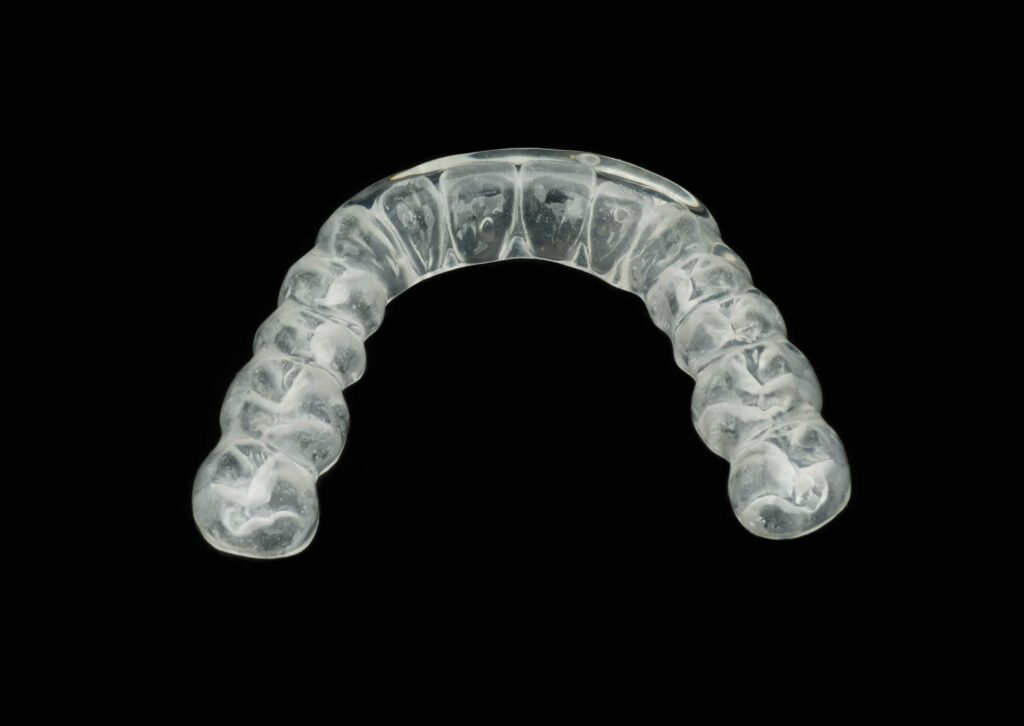
If you have ever woken up with a sore jaw or noticed flattened spots on your teeth, you might have wondered whether something is happening while you sleep. Many patients around Murrieta describe similar concerns during their checkups. A custom night guard can be a simple and effective way to protect your teeth and help your jaw muscles rest, especially if nighttime grinding or clenching is part of the problem. This article walks through what a night guard is, why you might need one, and how to care for it. It also highlights when to check in with a dental clinic in Murrieta if symptoms begin to interfere with daily comfort.
What Is a Night Guard?
A night guard is a custom-made oral appliance that fits over your upper or lower teeth. It creates a barrier between the arches, which helps reduce the pressure created when you clench or grind in your sleep. Many patients compare the feel of a well-fitted guard to wearing a thin athletic mouthguard. The materials vary, although most dental offices use medical-grade acrylic or flexible thermoplastics that hold up to regular nighttime use.
Custom devices start with careful impressions or digital scans. At Springs Dental, many patients appreciate that digital imaging avoids traditional trays, which some people find uncomfortable. Once the guard is fabricated, the dentist checks the fit and makes small refinements to ensure it feels natural when you bite down. A good fit matters because uneven pressure can make the appliance harder to wear or cause new sore spots. When crafted correctly, a night guard helps distribute force more evenly and reduces your risks of chipped enamel or morning headaches.
Why Might You Need a Night Guard?
People often associate grinding with stress alone, although the reality is more layered. Bruxism can stem from bite alignment issues, airway challenges, sleep disruptions, or changes in muscle tension. Some patients start grinding during busy seasons at work, while others have a long history of clenching without realizing it until wear patterns begin to show.
A night guard does not cure the underlying reason you grind, but it helps protect your teeth while you work with your dentist to understand the source. This matters because enamel does not grow back. Once it wears down, your teeth become more vulnerable to sensitivity and fractures. If the issue progresses, repairs can involve bonding, crowns, or other restorative work. Many patients find it easier and more affordable to intervene early with a protective appliance.
Some people notice changes in their jaw joints as well. Muscles that stay tense through the night can leave your face feeling tired in the morning. A night guard encourages the jaw to rest in a more comfortable position, which can help reduce that sense of tightness.
Signs You Might Need One
People rarely realize they grind at night, so dentists often pick up the first clues. Flattened biting surfaces, chipped edges, or grooves along the enamel are common signs. Some patients in Murrieta mention waking with a dull headache behind the temples or tension along the sides of the jaw. Others hear from their spouse or partner that there is a clicking or grinding noise during sleep.
Sensitivity can also be part of the picture. When enamel wears down, hot and cold foods may feel sharper than usual. Some patients describe a mild ache that comes and goes. It is important to mention any symptom changes during your checkup because early intervention can help prevent more complex treatment later.
Several local factors can play a role as well. Dry seasons in Southern California sometimes worsen nighttime mouth breathing, which changes how your mouth rests while you sleep. Small shifts like this can increase clenching or make grinding more noticeable. If you have recently started a new workout routine or experienced a stressful life event, your dentist may also consider whether muscle tension is contributing to your symptoms.
Custom vs Over-the-Counter Night Guards
Stores across Riverside County sell boil-and-bite guards, and these can seem appealing because they are easy to find and inexpensive. They do offer some cushioning, although they rarely match the accuracy or durability of a custom device. The material softens in warm water, then shapes around your teeth when you bite down. Because you create the mold at home, small imperfections can translate to uneven pressure. A store-bought guard can also feel bulky, which makes some people less likely to wear it consistently.
Custom night guards are made from detailed scans taken in the dental office. This allows the dentist to control the thickness, contour, and contact points so the guard fits comfortably. Patients often mention that their custom guard feels less intrusive and easier to adapt to during the first week. The materials tend to last longer as well. A professionally fabricated guard can often be adjusted years later if your bite shifts or if you complete orthodontic treatment.
For patients in Murrieta, custom appliances also offer a more tailored approach for jaw comfort. Small adjustments at the molars or front teeth can make a noticeable difference in how your jaw rests. Over-the-counter versions simply cannot match this level of refinement.
Caring for Your Night Guard
A night guard lasts longer with regular cleaning. Most patients rinse the appliance each morning with lukewarm water and a soft toothbrush. A drop of mild soap works well. Avoid using hot water because it can change the material’s shape. Once it is clean, let it dry completely before storing it in its case. Moisture can allow bacteria to grow or cause the material to break down faster.
It helps to bring your guard to each dental visit so the team can check for wear or changes in fit. If you have a habit of clenching strongly, your dentist may recommend a firmer material or small adjustments over time. Pets, especially dogs, seem to be drawn to the scent of night guards, so many patients keep their case in a drawer to reduce the chance of accidental chewing.
Occasionally, a night guard can develop faint odors if it stays damp. A simple soaking solution designed for oral appliances usually clears it up. Some patients use retainer cleaning tablets once or twice a week. If you notice any cracks, rough edges, or changes in how your jaw feels when you put the guard in, schedule a visit. A quick adjustment often solves the issue.
How Night Guards Support Long-Term Oral Health
Protective appliances help maintain the shape and height of your teeth. When enamel wears down, the bite can collapse slightly. Over time, this may contribute to small facial changes or make chewing less comfortable. A night guard helps slow this progression. Many people find that jaw tension decreases after a few weeks of consistent use because the muscles are not working as hard at night.
For patients who have invested in crowns, veneers, or esthetic bonding, a night guard can also help protect that work. Restorative materials are strong, but they are not immune to heavy pressure. A protective guard adds an extra layer of security, especially for patients who clench more during stressful seasons or sleep more lightly during allergy months.
Nightguards in Murrieta
Many families in Murrieta appreciate having a local option for custom night guards because it simplifies the process. Rather than mailing impressions to a distant lab, your dentist can take digital scans in a single visit. Springs Dental is located close to the intersection of Murrieta Hot Springs Road and Madison Avenue, which makes it convenient for patients who commute along the I-15 corridor. Several manufacturers supply medical-grade materials that hold up well in Southern California’s climate. Your dentist will explain the difference between hard, soft, and hybrid designs so you can choose what feels best for regular nighttime use.
Local care also makes follow-up adjustments easier. If you chip a tooth, change medications, start orthodontic treatment, or notice a shift in your bite, you can bring the appliance in for evaluation. Many patients find this reassuring because small refinements help maintain comfort over the long term.
When to Visit a Dental Clinic in Murrieta for Evaluation
Any new or worsening symptoms deserve attention, especially if they interrupt sleep or daily routines. Persistent jaw popping, difficulty opening widely, or headaches that linger through the morning may indicate that your muscles or joints are under strain. A dentist can examine your bite, review your medical history, and take imaging to rule out other concerns.
Some patients schedule an appointment because a partner notices grinding sounds at night. Others come in after chipping a filling or spotting new wear marks in the mirror. If you have recently completed orthodontic treatment, it also helps to have your bite evaluated. Teeth can shift slightly during the first months after braces or aligners, and a night guard can support that transition.
Seasonal allergies sometimes worsen clenching because mouth breathing changes how the jaw rests. If you notice symptoms during spring or fall, mention that pattern during your visit. Your dentist can consider whether airway or sinus changes are playing a role.
Practical Tips for Adjusting to a New Night Guard
Most people adapt within a week. Wearing the guard for short periods during the evening helps your mouth adjust before you fall asleep. If you salivate more during the first night or two, that usually fades quickly. Slight pressure is normal at first, although anything sharp or uncomfortable should be evaluated. A small refinement often makes the difference.
It is helpful to store your guard in the same place each morning. Many patients keep it near their nighttime routine items so the habit becomes automatic. If you travel frequently, pack the case in your carry-on rather than a checked bag. Changes in temperature inside a car trunk or airplane cargo hold can affect the material over time.
How Springs Dental Helps Patients in Murrieta Protect Their Smiles
Springs Dental offers several styles of custom night guards to meet patients’ needs. During your visit, your dentist will look closely at your enamel patterns, jaw movement, and bite balance. If a night guard can help reduce pressure or protect vulnerable areas, they will walk you through your options in clear, practical terms. The office uses modern digital scanning systems that allow for a precise fit without traditional impressions. Many patients appreciate this because it shortens the appointment and improves comfort.
If you already have a night guard but notice new symptoms, the team can evaluate whether the fit needs adjustment. Routine dental exams are a good time to check for small changes, and early refinements often prevent more noticeable discomfort later. Springs Dental welcomes families from Murrieta, Temecula, and surrounding areas, and the location near major roads makes it easy to stop by before or after work.